```markdown
From Slave to King: Junius Groves Net Worth & Black Wealth Secrets of the 1900s
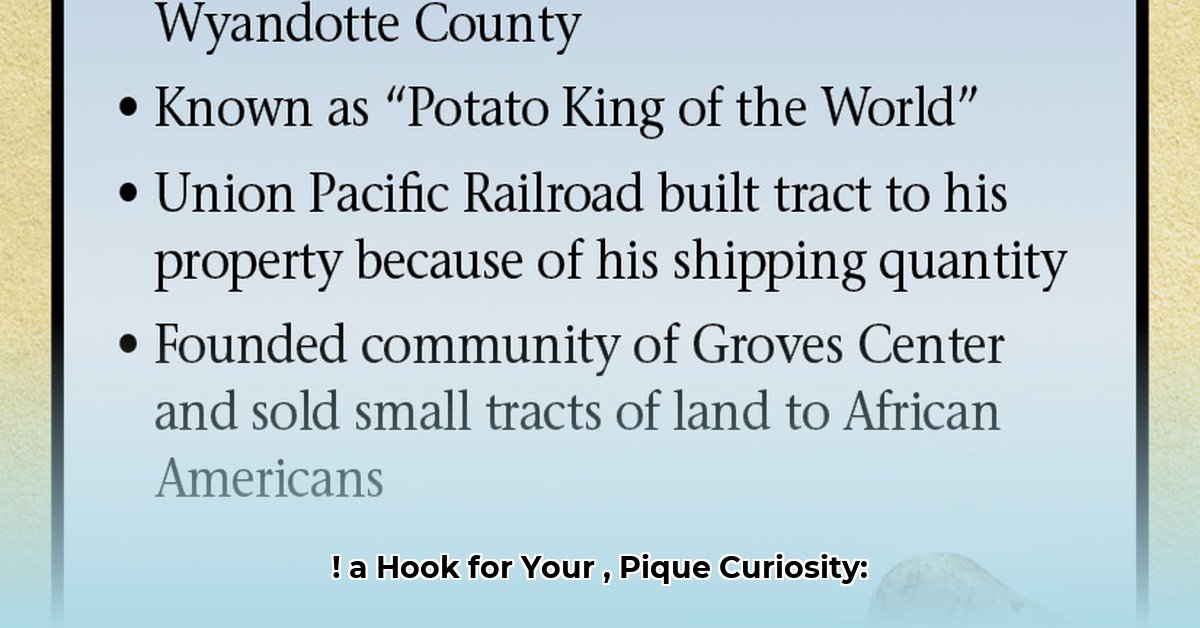
Ever heard of someone becoming a millionaire by growing potatoes? Meet Junius George Groves. Born into slavery, he didn't let that stop him. By the early 1900s, he was known as the "Potato King," and his wealth was seriously impressive. This isn't just a feel-good story; it's about how a Black man built an empire despite all the odds. We're diving into how he did it, what his secrets were, and what we can learn from him today about creating wealth and building strong communities. Get ready to discover the amazing story of Junius Groves, a real-life example of how to turn hard work into lasting success. Like other entrepreneurs such as Jacob Hemphill, Groves knew how to build wealth.
Junius Groves Net Worth: From Slave to King and the Secrets of Black Wealth in the 1900s
Junius George Groves' story is more than just a biography; it's a testament to the power of resilience, innovation, and community building. Born into slavery, he defied the limitations imposed upon him by society and rose to become one of the wealthiest Black Americans of his time, earning the moniker "Potato King of the World." But how did he do it? And what can we learn from his life about building wealth and empowering communities, even today? Understanding junius groves net worth requires us to delve into the specifics, but also appreciate the larger historical and social context of his achievements.
The Seeds of Success: Building an Agricultural Empire
Groves' journey began in Kentucky, but it was in Edwardsville, Kansas, that he truly blossomed. He wasn't just throwing seeds in the ground; he was a pioneer in agricultural practices. While other farmers relied on traditional methods, Groves embraced innovation, using his keen understanding of the land and his relentless work ethic to achieve unprecedented yields. Some accounts suggest he harvested an astounding 721,500 bushels of potatoes in a single year!
It's difficult to grasp the magnitude of that accomplishment without understanding the context. Think of it this way: imagine Henry Ford revolutionizing the automobile industry, but instead of cars, it's potatoes. Groves was essentially creating an agricultural assembly line before its time, optimizing every step of the process to maximize output and efficiency. Did Junius Groves implement innovative farming techniques like crop rotation or soil management to maximize his potato yields?
Historians and economists believe that his understanding of crop rotation, soil management, and market demand gave him a distinct competitive advantage. He likely invested in better equipment and hired skilled labor, further contributing to his success. This highlights more than just hard work; it underscores his sharp business mind and his ability to see opportunities where others didn't.
Beyond the Fields: Diversifying for Stability and Growth
The potato fields were the foundation of Groves' wealth, but he didn't stop there. He understood the importance of diversification, expanding his interests into other ventures that complemented his agricultural operations and provided additional revenue streams. This strategic diversification played a crucial role in solidifying his financial standing and protecting him from the unpredictable nature of agriculture.
Here's a glimpse at the different ventures he pursued:
- A General Store: This provided essential goods and services to the local community, generating a steady income and strengthening his ties to the people he served. This was a smart move, as it ensured a consistent customer base and allowed him to reinvest profits back into the community.
- Mining Operations: Venturing into resource extraction added another layer to his financial empire. This increased his revenue streams, but also allowed him to provide more employment opportunities to his community.
- Investments in Banks: Entering the financial sector offered opportunities to invest capital and provide loans, thus solidifying his financial influence and contributing to the economic growth of the region. He gained access to capital and the ability to influence financial decisions.
Some researchers suggest that his diversified approach not only bolstered his own wealth but also stimulated the local economy, creating jobs and opportunities for others in the Black community.
The $300,000 Question: The Enormity of Groves' Fortune
By 1915, Junius Groves had amassed an estate valued at approximately $300,000. To put that into perspective, that's the equivalent of millions of dollars today, adjusted for inflation.
| Year | Event | Estimated Net Worth | Context |
|---|---|---|---|
| 1915 | Peak of Junius Groves' wealth accumulation | Approximately $300,000 | Equivalent to millions today, reflecting substantial economic accomplishment. |
| Today | Adjusted Value (Estimated) | Several Million U.S. Dollars | Reflects significant wealth accumulation adjusted for inflation. |
But junius groves net worth represents more than just a number. It symbolizes a monumental achievement in the face of systemic racism and discrimination. In an era when Black Americans were routinely denied opportunities for economic advancement, Groves shattered barriers and carved out his own path to success. His story serves as an inspiration and a powerful reminder of the potential for Black wealth creation, even in the most challenging circumstances.
A Legacy of Giving: Investing in the Black Community
Groves understood that true wealth extends beyond individual accumulation; it's about empowering others and building a strong, thriving community. He channeled his resources into projects that benefited Black citizens in his area, recognizing the importance of providing resources and opportunities that were often denied to them due to segregation. What impact did Groves' philanthropic efforts have on the economic and social wellbeing of the black community during that time?
He famously built a community center, providing a space for social gatherings, education, and cultural events. He even constructed a golf course for Black residents, offering a recreational outlet that was typically exclusive to whites.
The golf course can be viewed as a symbol of Black excellence and a gathering place for networking and community development. These investments demonstrate his unwavering commitment to uplifting the Black community and creating a more equitable society
Actionable Intelligence: Lessons for Today's Leaders
So, what can we glean from Junius George Groves' remarkable life? How can his story inform our efforts to promote economic empowerment and community development in the 21st century?
Here's a table outlining some potential strategies for different stakeholders:
| Stakeholders | Short-Term (0-1 Year) | Long-Term (3-5 Years) |
|---|---|---|
| Black-Owned Businesses | Study Groves' business scaling tactics, embrace diversification, and seek mentorship from successful entrepreneurs. | Establish venture capital funds focused on early-stage Black-owned businesses, especially in agriculture, mirroring Groves' integrated approach. Advocate for policies that support Black entrepreneurship. |
| History Educators | Integrate Groves' inspiring biography into curricula, emphasizing the history of Black economic achievements. | Develop interactive museum exhibits showcasing his innovations and impact on agriculture and Black wealth creation. Partner with local organizations to offer educational programs. |
| Community Developers | Mimic Groves' model for creating self-sustaining communities by prioritizing economic opportunity and access to resources. | Advocate for policies that address systemic barriers, such as access to capital, land ownership, and quality education, which hinder wealth accumulation in Black communities. |
Junius George Groves' life provides an extraordinary blueprint for success, demonstrating that strategic thinking, diversification, and a strong devotion to community can yield remarkable results, even amidst adversity. The true importance of junius groves net worth lies not only in the accumulation of wealth but also in the lasting legacy of empowerment and community upliftment it represents. His story serves as a powerful reminder that economic success can be a catalyst for social change and a pathway to a more just and equitable world.
How Junius Groves Built Wealth
Key Takeaways:
- Junius George Groves' life is a testament to strategic skill development and diversified wealth-building.
- He reinvested in the Black community through employment, land redistribution, and institution creation.
- His journey from enslavement to affluence provides a potent model for modern Black entrepreneurship.
The Rise of the "Potato King"
Junius George Groves' story is more than just a biography; it's a lesson in resilience and strategic wealth creation. Born into enslavement, he transformed adversity into opportunity. How did he do it? He mastered potato farming, eventually becoming known as the "Potato King of the World" by 1902. It wasn't just luck; it was a calculated approach to business and community development. How much did the community directly benefit from the employment oportunities that Groves created?
Diversification and Community Investment
Groves didn't put all his eggs in one basket. He diversified his investments, building a financial empire that extended beyond agriculture. But more importantly, he understood the power of reinvesting in his community. He hired Black individuals, supported Black-owned businesses, and facilitated land redistribution. He was building a legacy.
A Blueprint for Black Entrepreneurship
How junius groves built wealth can be distilled into a practical guide for aspiring Black entrepreneurs today. His method involved:
- Identifying a Niche: Groves specialized in potatoes, becoming an expert in his field.
- Developing Expertise: He honed his skills, understanding every aspect of his business.
- Diversifying Investments: He expanded beyond farming,